
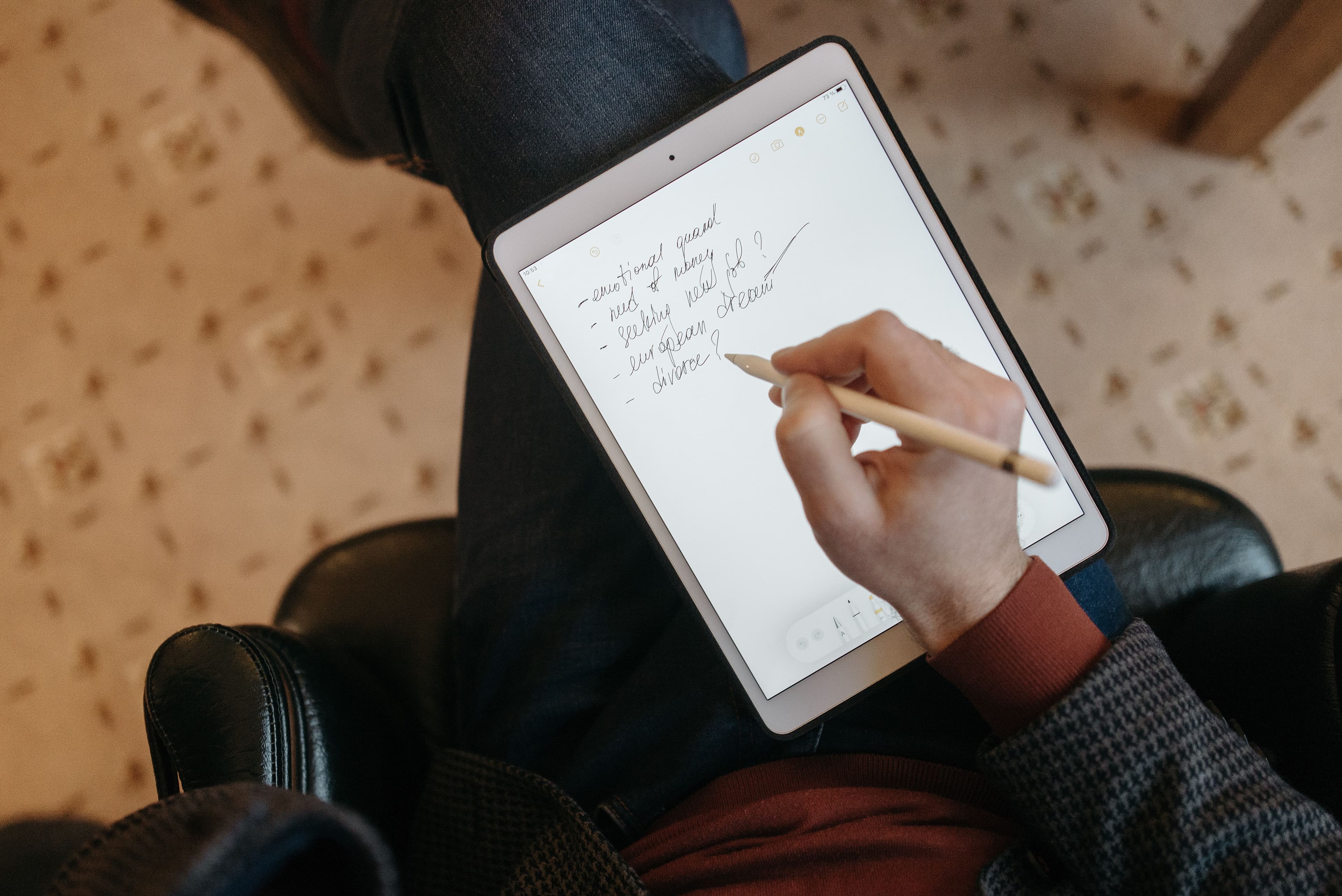
AI vs Manual Note Taking: Which Is Better?
AI vs Manual Note Taking: Which Is Better?
Introduction
Taking notes has always been one of the most effective ways to learn. Whether you're attending a lecture, watching an online course, or participating in a business meeting, good notes help organize information and improve long-term memory.
Today, artificial intelligence is changing the way people capture information. Instead of writing everything manually, AI-powered tools can automatically transcribe lectures, identify key concepts, generate summaries, and even organize ideas into visual flowcharts.
So which approach is better? The answer isn't as simple as choosing one over the other. Understanding the strengths and limitations of both methods can help students and professionals build a more effective learning system.
What Is Manual Note Taking?
Manual note taking involves writing or typing information while learning.
Many students prefer handwritten notes because the process encourages active listening and forces them to summarize ideas in their own words.
Benefits of manual note taking include:
• Encourages active engagement
• Improves concentration during lectures
• Reinforces understanding through writing
• Allows for personalized organization
• Supports long-term memory through repetition
However, manual note taking also has drawbacks, especially when information is presented quickly.
What Is AI Note Taking?
AI note taking uses artificial intelligence to automatically capture spoken information and organize it into structured notes.
Modern AI tools can:
• Generate accurate transcripts
• Create concise summaries
• Highlight important concepts
• Build visual flowcharts
• Organize information automatically
• Make notes searchable
Rather than trying to write every detail, learners can focus on understanding the lesson while AI handles the organization.
Comparing AI and Manual Note Taking
Both approaches have advantages depending on the learning situation.
| Manual Note Taking | AI Note Taking |
|---|---|
| Encourages active learning | Saves significant time |
| Requires continuous attention | Automatically captures information |
| Can miss important details | Records nearly everything |
| Personalized structure | Consistent organization |
| Difficult to search later | Fully searchable notes |
| Time-consuming to review | Easy to review and summarize |
For many learners, combining both methods produces the best results.
When Manual Note Taking Works Best
Manual note taking is especially useful when:
• Solving math problems
• Brainstorming ideas
• Sketching diagrams
• Summarizing concepts in your own words
• Studying subjects that require critical thinking
Writing information yourself forces your brain to process it more deeply.
When AI Performs Better
Artificial intelligence excels when working with large amounts of information.
Examples include:
• University lectures
• YouTube tutorials
• Business meetings
• Online courses
• Webinars
• Conference presentations
Instead of spending hours organizing information, AI delivers structured notes within minutes.
Why AI Flowcharts Are Changing Learning
Traditional notes organize information in a straight line.
Flowcharts organize knowledge visually.
Instead of reading pages of text, learners immediately see how concepts connect.
Visual learning helps users:
• Understand relationships faster
• Review information efficiently
• Retain knowledge longer
• Simplify difficult subjects
This makes AI-generated flowcharts especially valuable for complex educational material.
The Best Approach Is a Combination
The most effective learners rarely rely on one method alone.
A smarter workflow looks like this:
- Let AI generate organized notes and summaries.
- Review the AI output.
- Add your own insights and observations.
- Create personal examples.
- Revisit visual flowcharts before exams or important projects.
This combines AI's speed with the deeper understanding that comes from active learning.
How Biftech Improves the Learning Experience
Biftech goes beyond traditional AI note taking.
Instead of producing only summaries, Biftech transforms educational videos into interactive flowcharts that make learning visual, organized, and collaborative.
Users can:
• Explore connected concepts visually
• Participate in educational debates
• Earn rewards for meaningful contributions
• Build stronger understanding through discussion
Rather than simply collecting notes, learners actively engage with knowledge.
Conclusion
AI and manual note taking each offer valuable benefits. Manual note taking promotes active learning and personal understanding, while AI dramatically reduces the time required to organize and review information.
The most effective strategy combines both approaches. AI handles the repetitive work of capturing and organizing information, allowing learners to spend more time thinking critically, asking questions, and applying what they've learned.
As AI continues to evolve, the future of note taking isn't about replacing people. It's about helping them learn more efficiently.
Frequently Asked Questions
Is AI better than handwritten notes?
Not necessarily. AI is faster and more organized, while handwritten notes encourage active learning. Using both together often produces the best results.
Can AI replace note taking?
AI can automate much of the note-taking process, but adding your own observations and examples helps reinforce learning.
Are AI notes accurate?
Modern AI note-taking tools are highly accurate for educational content, lectures, meetings, and presentations.
Why are AI-generated flowcharts useful?
Flowcharts organize ideas visually, making it easier to understand relationships between concepts and remember information.
Should students use AI for studying?
Yes. AI can reduce study time by organizing lectures into searchable summaries and visual learning materials, allowing students to focus on understanding rather than transcription.
Learn Smarter with Biftech
Biftech transforms educational videos into interactive visual flowcharts that make learning more organized, collaborative, and engaging. Save time on note taking, understand complex concepts faster, and turn passive learning into an interactive experience.