
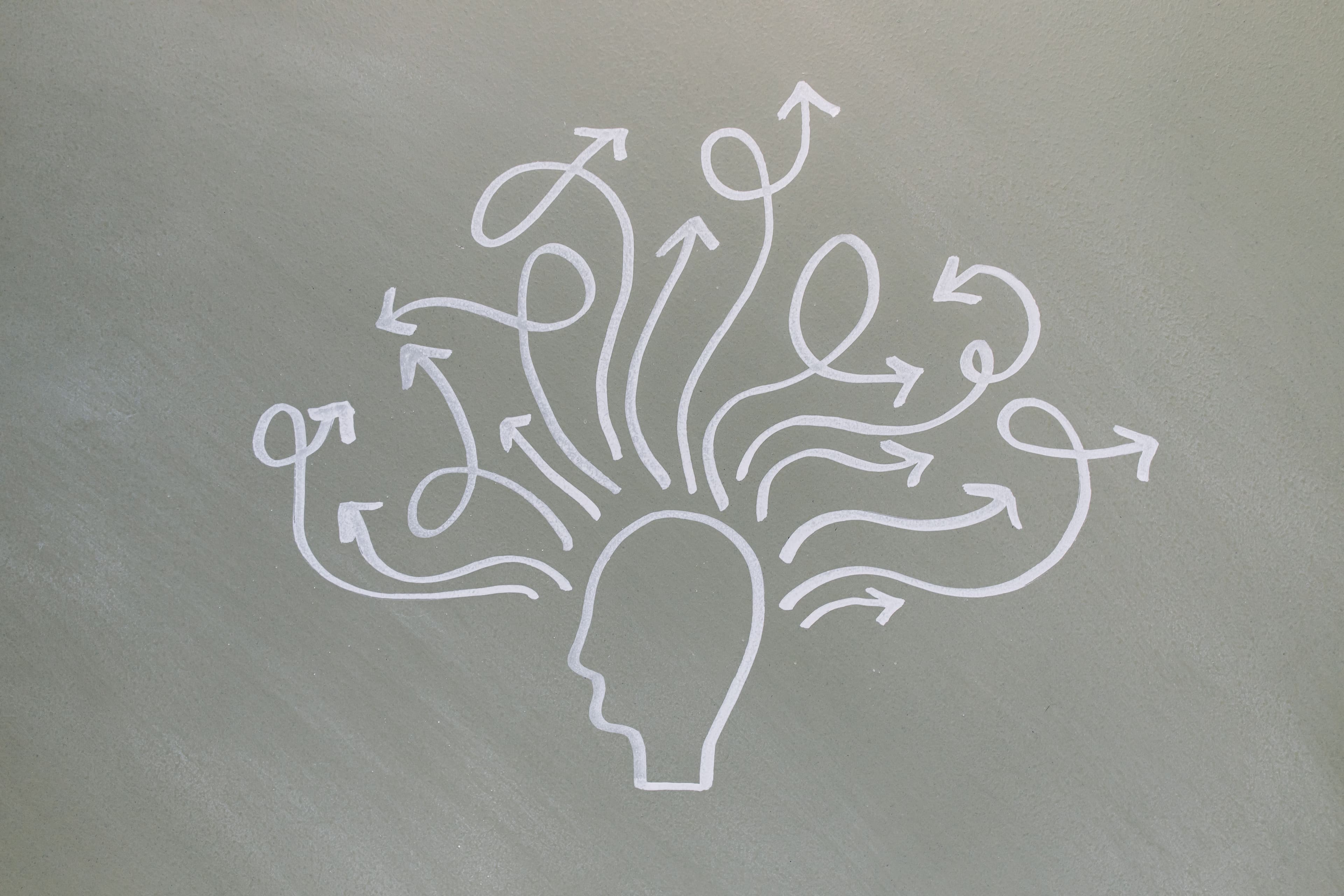
Best ways to organize complex ideas
Best Ways to Organize Complex Ideas
Introduction
Whether you're studying for an exam, managing a business project, researching a new topic, or learning a technical skill, organizing complex information is often harder than understanding it.
Many people collect pages of notes, bookmarked websites, videos, and documents, only to struggle when it's time to connect everything together.
The problem isn't a lack of information. It's a lack of structure.
Fortunately, modern learning techniques and artificial intelligence make organizing complex ideas easier than ever. By using visual frameworks and smart organization methods, anyone can transform overwhelming information into clear, actionable knowledge.
Why Complex Information Feels Overwhelming
Our brains naturally look for patterns.
When information arrives as isolated facts, it's difficult to understand how everything fits together.
Common problems include:
• Too many disconnected notes
• Information scattered across multiple sources
• Repeated concepts
• Difficulty finding important information
• Trouble remembering relationships between ideas
Without organization, even simple topics can become confusing.
Start With the Main Idea
Before organizing details, identify the central concept.
Ask yourself:
• What is the main topic?
• What problem is being solved?
• What is the final goal?
Everything else should connect back to this central idea.
Beginning with the big picture prevents information from becoming fragmented.
Break Information Into Smaller Sections
Large topics become easier to understand when divided into manageable categories.
For example, instead of studying "Artificial Intelligence" as one subject, divide it into:
• Machine Learning
• Natural Language Processing
• Computer Vision
• Robotics
• Ethics
Breaking information into smaller pieces reduces cognitive overload and makes learning more manageable.
Use Flowcharts to Show Relationships
Lists tell you what information exists.
Flowcharts show how information connects.
For example:
Problem
↓
Analysis
↓
Solution
↓
Result
Flowcharts are especially useful for:
• Processes
• Systems
• Decision making
• Cause-and-effect relationships
• Step-by-step learning
Instead of memorizing isolated facts, learners understand the logical progression of ideas.
Create Knowledge Maps
Not every topic follows a straight line.
Knowledge maps connect related concepts into a larger network.
They help learners:
• Discover relationships
• Connect multiple subjects
• Understand dependencies
• Build long-term understanding
Knowledge maps become increasingly valuable as information grows over time.
Let AI Organize Information
Artificial intelligence removes much of the manual work involved in organizing knowledge.
Modern AI tools can:
• Summarize lectures
• Transcribe videos
• Identify key concepts
• Group related topics
• Build visual flowcharts
• Generate study guides
Rather than spending hours organizing notes, learners can immediately begin reviewing the information.
Keep Information Searchable
Organization isn't useful if you can't quickly find what you need.
Effective knowledge systems should make it easy to:
• Search keywords
• Find related topics
• Navigate categories
• Review summaries
• Access original sources
A searchable knowledge library saves time and reduces frustration.
Review Connections, Not Just Facts
Many learners memorize definitions but forget how ideas relate to one another.
Instead, regularly ask:
• Why does this happen?
• What caused this?
• What happens next?
• How is this connected?
• Where else is this concept used?
Understanding relationships creates deeper learning than memorizing individual facts.
How Biftech Simplifies Complex Learning
Biftech is designed to organize educational content into structured visual knowledge.
Instead of simply generating transcripts or notes, Biftech transforms educational videos into interactive flowcharts that reveal how ideas connect.
Users can:
• Explore visual knowledge maps
• Navigate complex subjects more easily
• Debate concepts with other learners
• Earn rewards through meaningful participation
• Build a searchable library of organized knowledge
By combining artificial intelligence with collaborative learning, Biftech helps learners move beyond memorization toward genuine understanding.
The Future of Knowledge Organization
Artificial intelligence is changing how people manage information.
Future learning platforms will likely:
• Automatically organize new knowledge
• Connect related topics across different subjects
• Build personalized knowledge graphs
• Recommend additional learning resources
• Continuously improve organization as users learn
Instead of manually sorting information, learners will work with intelligent systems that organize knowledge automatically.
Conclusion
Organizing complex ideas is one of the most valuable learning skills anyone can develop.
By identifying the main concept, breaking information into smaller sections, using flowcharts to visualize relationships, and leveraging AI to automate organization, learners can understand difficult topics more quickly and retain information more effectively.
As educational technology continues evolving, organizing knowledge will become just as important as acquiring it.
Frequently Asked Questions
What's the best way to organize complex ideas?
Start with the main concept, divide information into smaller categories, use visual tools like flowcharts, and review how ideas connect rather than treating them as isolated facts.
Why are flowcharts useful for organizing information?
Flowcharts visually display relationships, processes, and logical sequences, making complex topics easier to understand and remember.
Can AI organize notes automatically?
Yes. Modern AI tools can summarize lectures, identify key concepts, categorize information, and generate visual knowledge maps automatically.
What's the difference between a flowchart and a knowledge map?
A flowchart shows a logical sequence or process, while a knowledge map connects multiple related ideas into a broader network.
How does Biftech organize educational content?
Biftech transforms educational videos into interactive visual flowcharts that help learners understand relationships between concepts, collaborate with others, and build structured knowledge over time.
Learn Smarter with Biftech
Biftech transforms educational videos into interactive visual flowcharts that make even the most complex subjects easier to understand. Organize ideas, explore connected concepts, collaborate through educational debates, and build a knowledge library that grows with you.