
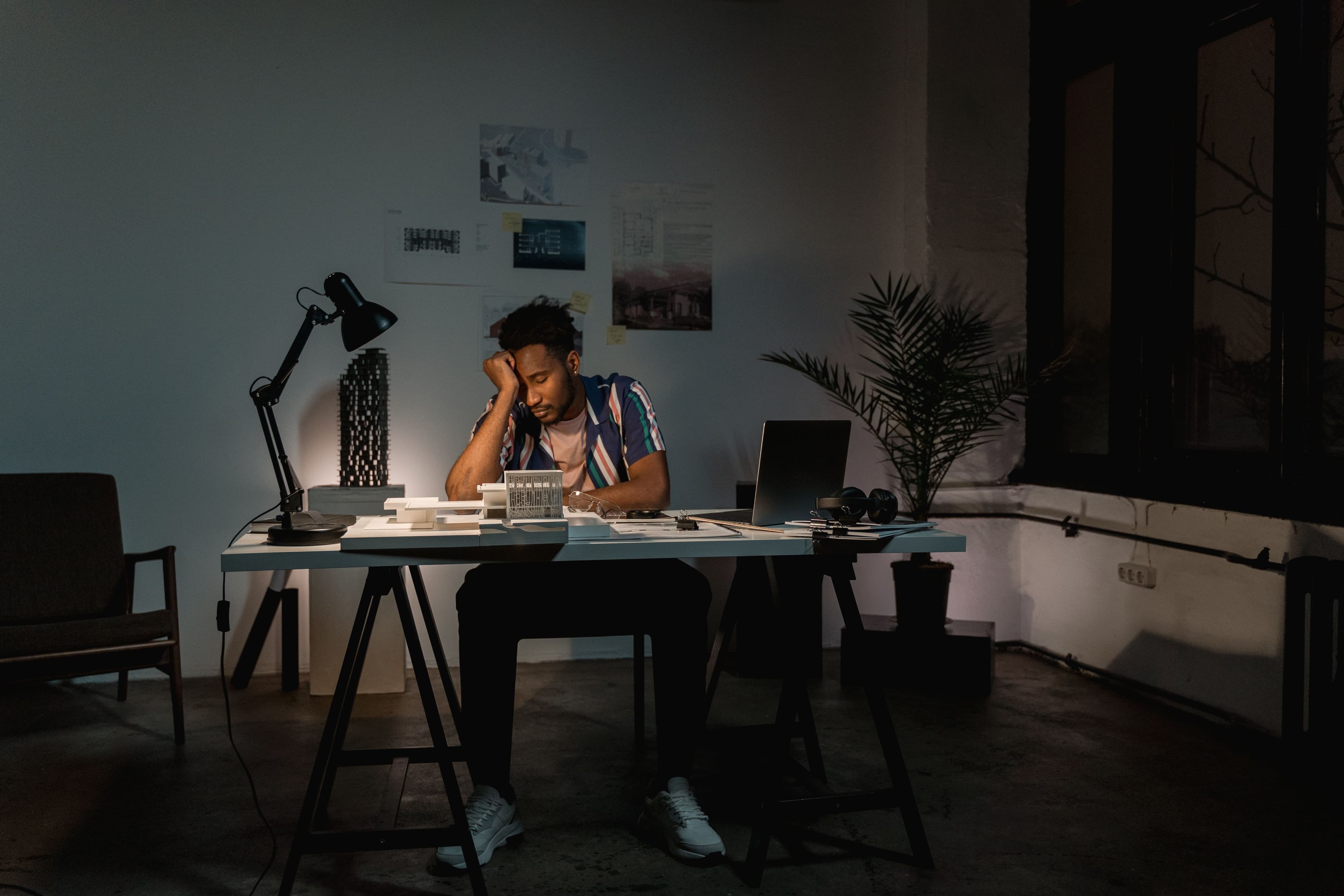
How to Stay Focused During Online Learning
How to Stay Focused During Online Learning
In-person classes come with built-in structure that helps attention almost automatically — a physical room, a visible instructor, other students nearby, and the mild social pressure of being seen if you check out. Online learning strips most of that away. The lecture is often on the same device as every distraction a student owns, there's no one visibly watching, and the environment offers no natural cues that signal "this is a focused space" the way a classroom does. Losing focus isn't a discipline failure unique to online learners — it's a predictable result of removing the structure that used to do a lot of the work.
Why Focus Breaks Down More in Online Settings
The device is the classroom and the distraction, at once. A laptop or tablet used for a lecture is the same device used for messaging, social media, and browsing — there's no physical separation between "learning space" and "everything else," which makes switching away far easier than it would be in a room without those options.
No visible social accountability. In a classroom, drifting off is at least mildly visible to an instructor or peers. Online, especially with cameras off, that soft social pressure disappears entirely, removing one of the passive mechanisms that used to help sustain attention.
Passive consumption is easy to fake. A recorded or live lecture can play in the background while a student's actual attention is elsewhere, and unlike an in-person class, there's no physical presence requiring even minimal engagement to maintain the appearance of attention.
Environment cues are missing. Physical classrooms create an implicit boundary — walking into the room signals "focus mode" the way walking into a gym signals "workout mode." Attending an online class from a bed or a couch doesn't carry the same environmental cue, which makes the mental shift into focus harder to trigger automatically.
Practical Strategies That Address the Real Problem
Recreate physical separation deliberately. Use a specific location only for online classes and studying, not the same spot used for leisure browsing on the same device. The goal is rebuilding the environmental cue a classroom provides naturally.
Put a second device between you and the browser. Watching a lecture on one screen while taking notes by hand, or on a separate device without easy tab-switching, reduces the frictionless drift into a different tab that a single multitasking laptop invites.
Replace passive consumption with active tasks during the lecture. Instead of just watching, take notes that require summarizing (not transcribing), or pause periodically to predict what's coming next — anything that requires actual engagement rather than passive viewing, which is much easier to fake online than in person.
Use short, defined focus blocks rather than assuming a full lecture requires unbroken attention. Online learning often removes the built-in breaks a live class naturally has (moving between rooms, brief interruptions); deliberately building in short breaks prevents the slow attention decay that happens over a long, unbroken remote session.
Turn the camera on when possible. Even mild self-accountability — knowing you're visible — measurably changes engagement for a lot of students, replacing some of the social pressure a physical classroom provides automatically.
Why Passive Note-Taking Makes This Worse
A student who's only half-focused during an online lecture often produces notes that reflect that half-focus — fragmented, incomplete, or copied without real understanding. This creates a second problem downstream: even after the lecture, the raw material to study from is weaker than it would have been with full attention, meaning more repair work is needed later just to get back to a usable starting point.
Where Biftech Fits In
This is a specific, practical way automated tools help with the online learning problem: when attention inevitably lapses during a remote lecture (even with the best strategies, it will happen sometimes), Biftech can take whatever raw material does exist — partial notes, recorded transcripts, slides — and convert it into a structured, visual study guide afterward, partially recovering material that fragmented attention would otherwise leave unusable. It doesn't fix the attention problem directly, but it reduces the downstream cost of an inevitably imperfect online learning session, turning incomplete notes into something still studyable rather than a gap that has to be filled by rewatching an entire lecture.
Practical Ways to Apply This Today
- Designate a specific spot for online learning only, separate from where you relax or browse casually on the same device.
- Take notes that require summarizing, not transcribing — this forces engagement in a way passive listening or verbatim typing doesn't.
- Build in short breaks deliberately, rather than assuming a long online session requires unbroken focus to be effective.
- Turn the camera on when the format allows it — the mild accountability replaces some of what in-person visibility used to provide automatically.
- Convert whatever notes you do get afterward into structured material, rather than leaving fragmented notes as the only source to study from later.
The Bottom Line
Online learning removes most of the passive structure that helps attention stay in place during in-person classes, which means focus has to be actively rebuilt rather than assumed. Recreating physical separation, replacing passive consumption with active engagement, and accepting that some sessions will still be imperfect (and converting whatever material results into something still usable, the way tools like Biftech can) closes most of the gap online learning otherwise leaves open.